
A child with high-risk neuroblastoma will be touched by surgery, transplant, radiation, immunotherapy, and maintenance over an 18-to-24-month treatment arc. The clinical complexity sits beyond what any single discipline can manage. Coordination across multiple specialties, including pediatric hematology oncology, is the operational baseline, not an aspirational add-on.
The disease itself sets the requirement. Two-thirds of patients with high-risk disease do not achieve a complete metastatic response during induction. Two-fifths relapse despite intensive multimodal frontline therapy. A care team built for that trajectory needs depth across diagnosis, treatment delivery, and survivorship from day one.
The Minimum Roster for Pediatric Hematology-Oncology
Treatment decisions in high-risk neuroblastoma require input from a defined set of disciplines. Diagnostic radiologists handle staging imaging, image-defined risk factor assessment, and response evaluation. Nuclear medicine physicians cover MIBG scan acquisition and interpretation. Interventional radiologists perform biopsy and vascular access procedures.
Pediatric surgeons perform primary tumor resection and navigate image-defined risk factors. Anatomic pathologists establish histologic diagnosis and INPC classification. Molecular pathologists run MYCN, 1p, 11q, ploidy, ALK, and segmental chromosomal aberration profiling.
Radiation oncologists deliver tumor bed and metastatic site irradiation post-consolidation. Pediatric oncologists own risk classification, protocol enrollment, and treatment sequencing across the full disease course. Programs treating neuroblastoma without this minimum roster are operating below the standard the disease requires.
Assessment of bone and bone marrow involvement requires both MIBG imaging and biopsy. The Curie score derived from MIBG carries prognostic implications, with an absolute score of 0 to 2 prior to transplant more clinically prognostic than relative reduction from baseline. The imaging-pathology partnership is not optional.
Extended Team Roles and Activation Points
The minimum roster covers treatment decisions but not the operational team that delivers care across an 18-to-24-month arc. Extended roles activate at specific points and provide functions the core roster does not name.
Advanced practice providers work across the entire treatment timeline. They manage day-to-day symptom control, maintain treatment continuity between physician visits, and serve as the family's clinical point of contact. Their continuity keeps two-year treatment courses from fracturing into disconnected episodes.
Pediatric oncology pharmacists activate from pre-treatment planning through maintenance. Core functions include chemotherapy and premedication order set management, drug interaction review, and dilution protocols for complex agents. High-acuity infusion nurses cover every infusion cycle, executing administration, real-time adverse event response, and post-infusion monitoring.
Pain management and anesthesiology manage severe tumor-related pain, deliver anesthesia during complex resections, and oversee the pain and blood pressure management that anti-GD2 immunotherapy requires. The discipline becomes central rather than peripheral in any program running DANYELZA, given the structured pain protocol the regimen demands.
Oncology social workers engage from diagnosis through survivorship. They handle psychosocial assessment, resource navigation, and family support coordination. Child life specialists activate during infusion and procedural visits, providing preparation and distraction.
Rehabilitation (PT and OT) enters post-consolidation and continues into survivorship. The disciplines address functional recovery, neuropathy management, and late effects that emerge over time. Nurse navigators or case managers operate throughout, handling cross-departmental scheduling, milestone tracking, and transition management.
How Coordination Infrastructure Drives Outcomes in Pediatric Hematology Oncology
Assembling the right disciplines is necessary but not sufficient. Coordination across them is what determines whether the care arc holds together. Patients moving from induction to surgery to transplant to immunotherapy maintenance need a complete and current clinical picture at every handoff.
Structured tumor board review is the most established coordination mechanism. Regular multidisciplinary case conferences surface staging disagreements, align teams on treatment sequencing, and provide the collective intelligence that reduces error in individual decisions. The format makes second opinions a routine input rather than an exceptional intervention.
Documentation and handoff protocols matter as much as the meetings themselves. When a patient transitions between phases, the receiving team needs premedication schedules, adverse event history, response assessment data, and pending molecular results in hand. Systems that capture this at each transition reduce protocol deviations at the moments when they are most consequential.
A nurse navigator or case manager is the operational thread that ties phases together. The role handles cross-departmental scheduling, milestone tracking, and family contact across the full treatment course. For families managing a multi-year regimen, a single point of contact prevents the chaos that derails complex care.
Coordination Requirements for Anti-GD2 Immunotherapy
Naxitamab administration places specific demands on team coordination that programs new to anti-GD2 therapy should anticipate. The regimen runs on Days 1, 3, and 5 of each 28-day cycle, with GM-CSF starting five days before the first infusion of each cycle. A 12-day course of gabapentin or other prophylactic medication for neuropathic pain begins five days before the first infusion.
The pharmacy-nursing-physician coordination loop is the operational core of safe delivery. Pharmacists manage order sets, dilution protocols, and the GM-CSF scheduling that begins before the first infusion. High-acuity infusion nurses execute the monitoring sequence and serve as the first responders to hypotension, bronchospasm, and breakthrough pain.
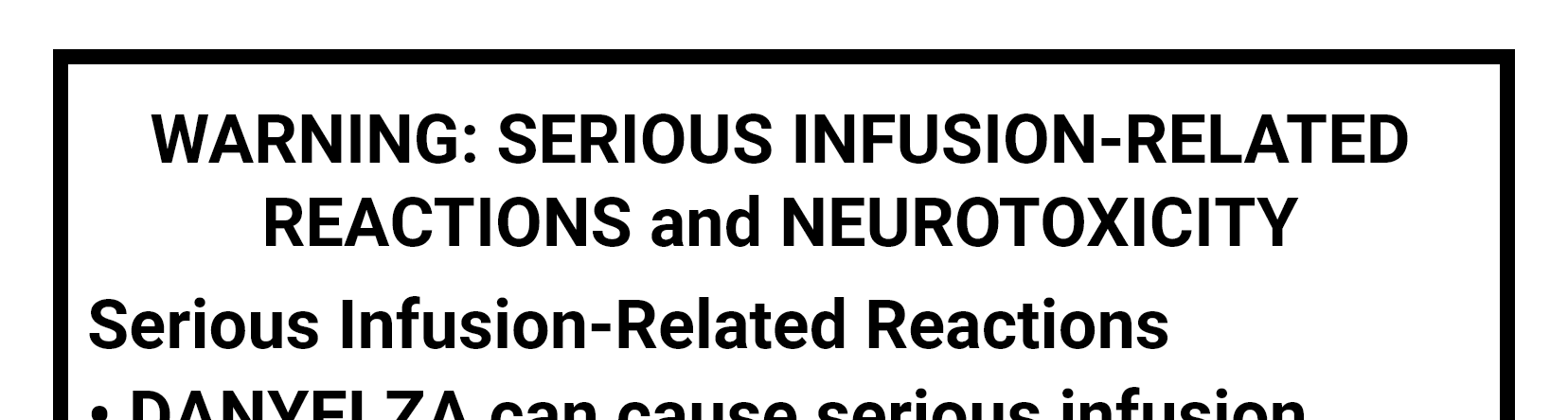
Physicians define the dose modification and discontinuation thresholds that govern when nurses escalate. Permanent discontinuation criteria include Grade 4 or unresponsive Grade 3 infusion reactions, Grade 3-4 anaphylaxis, transverse myelitis at any grade, and reversible posterior leukoencephalopathy syndrome at any grade. Misalignment anywhere in this loop translates directly into patient risk.
Monitoring obligations extend beyond the infusion suite. Blood pressure must be checked during infusion and at least daily on Days 1 through 8 of each cycle, with most hypertensive events occurring up to 9 days after infusion. Observation for at least two hours after each infusion is required in a setting where cardiopulmonary resuscitation medication and equipment are available.
More than 90 percent of infusions in the Study 201 pre-specified interim analysis took place in an outpatient setting, with 1,144 of 1,237 infusions delivered outpatient. The figure speaks directly to operational feasibility. Programs with the coordination infrastructure can deliver this therapy outside the inpatient unit at the treating physician's discretion. DANYELZA is currently administered at more than 60 US healthcare institutions and growing.
Build Your Pediatric Hematology Oncology Naxitamab Program With the Right Resources
The pediatric hematology oncology infrastructure described above is the operational backbone of safe, effective anti-GD2 delivery, and the published guidance from established centers provides a concrete starting point for institutions building their own. Programs can draw on the Trovillion et al. (2024) outpatient guidelines, the NCCN Version 2.2024 framework, and the prescribing information as the core reference architecture.
Y-mAbs offers clinical resources, implementation support, and HCP tools for teams building or refining naxitamab programs. Visit DanyelzaHCP.com to discuss whether naxitamab is the right fit for your patients and your program.
Sources
- DANYELZA (naxitamab-gqgk) [package insert]. New York, NY: Y-mAbs Therapeutics, Inc.; 2024. https://labeling.ymabs.com/danyelza
- Park JR, Bagatell R, Cohn SL, et al. Revisions to the International Neuroblastoma Response Criteria: A Consensus Statement From the National Cancer Institute Clinical Trials Planning Meeting. J Clin Oncol. 2017;35(22):2580-2587. https://pubmed.ncbi.nlm.nih.gov/28471719/
- Yanik GA, Parisi MT, Naranjo A, et al. Validation of Postinduction Curie Scores in High-Risk Neuroblastoma: A Children's Oncology Group and SIOPEN Group Report on SIOPEN/HR-NBL1. J Nucl Med. 2018;59(3):502-508. https://jnm.snmjournals.org/content/59/3/502